Blog ·
Maximizing Your Solar Panel System Performance
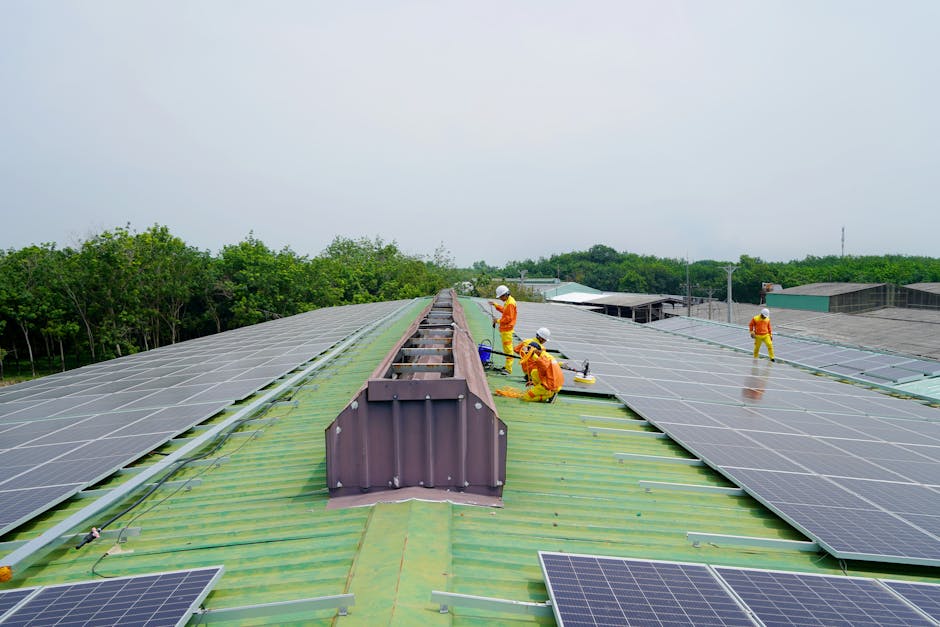
Installing solar panels is just the beginning of your clean energy journey. Understanding how to optimize your system's performance ensures you capture maximum energy efficiency and benefit fully from your investment in residential solar power.
Monitoring Energy Production
Modern solar systems include monitoring capabilities that track energy production in real time. These tools show you exactly how much electricity your panels are generating throughout the day. By reviewing this data regularly, you can identify patterns, understand your household's energy consumption, and make informed decisions about energy usage during peak production hours.
Most monitoring systems provide hourly, daily, and monthly reports. Sudden drops in production may indicate a need for panel cleaning or reveal shading issues that have developed over time, such as tree growth or new structures nearby.
Strategic Energy Consumption Patterns
Solar panels generate power during daylight hours, with peak production typically occurring mid-morning through mid-afternoon. Aligning your household energy use with this production window maximizes the solar energy you consume directly. Running dishwashers, laundry, and other high-energy appliances during midday hours reduces your reliance on grid power and increases your solar system's value.
Understanding your consumption patterns helps optimize battery storage decisions if you choose to add energy storage capabilities to your system later.
Seasonal Performance Variations
Solar production naturally varies with seasons. Winter months typically produce less energy due to shorter daylight hours and lower sun angles, while summer months deliver peak performance. This seasonal rhythm is normal and expected. A well-designed system accounts for these variations and is sized to meet your annual energy needs, not just peak summer months.
Maintenance for Consistent Efficiency
Dust, pollen, bird droppings, and debris can reduce panel efficiency. Periodic cleaning—typically once or twice yearly depending on your environment—maintains optimal performance. In areas with regular rainfall, natural cleaning may suffice. Drier climates may require more frequent professional cleaning.
Annual professional inspections identify potential issues before they impact performance, checking electrical connections, hardware integrity, and system components.
Long-Term Performance Standards
Quality solar panels maintain approximately 85 percent of their original efficiency after 25 years. This degradation is minimal and expected. Regular monitoring and maintenance help your system perform within manufacturer specifications throughout its operating life. By staying engaged with your system's performance and addressing maintenance promptly, you maximize the clean energy your panels deliver to your home for decades to come.